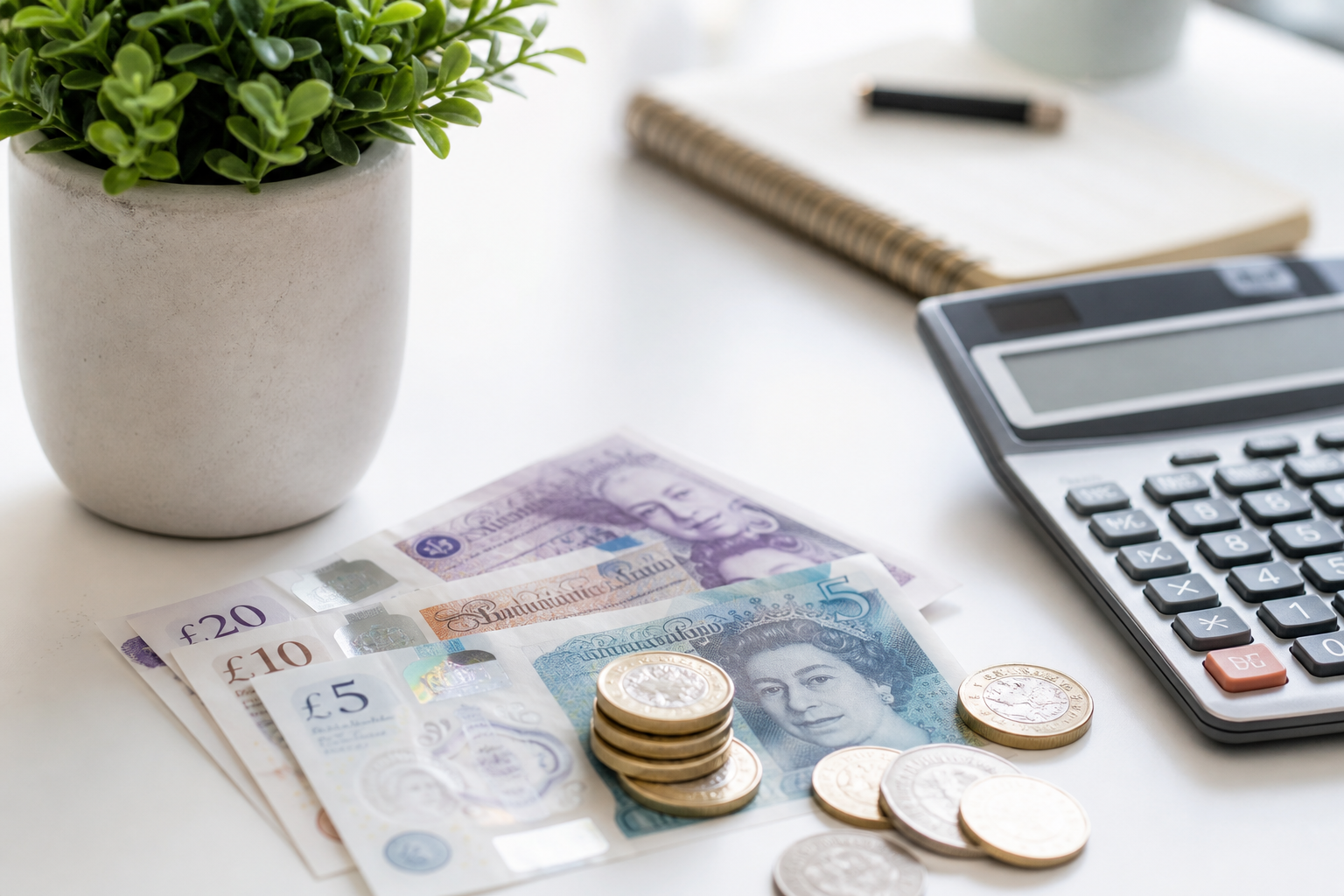
How compound interest works is the quiet engine of long-term investing. Returns earned on past returns can snowball — if you stay invested and keep adding capital. Compounding is not a loophole. It is arithmetic plus time plus behaviour.
The basic idea
If an investment grows and you leave the growth invested, the next gain is calculated on a larger base. Miss years on the sidelines and you do not get those layers back.
Contributions dominate early on
In the first years, the money you add often matters more than the return percentage. That is why starting — even with a modest amount — beats waiting for a perfect lump sum.
Volatility interrupts the fairy tale
Markets fall. Compounding is not a straight line. A plan that assumes a smooth 10% every year will disappoint. A plan that keeps contributing through dull years is closer to how wealth is actually built.
Costs and behaviour
High turnover and panic selling interrupt compounding. So does a portfolio so concentrated that one failure resets the clock. Diversification across stocks, and optionally metals and a small crypto sleeve, is how you try not to wipe the slate.
Time is the scarce input
You can earn more later. You cannot buy back the years you spent uninvested. Open the account, automate what you can, and let time work.