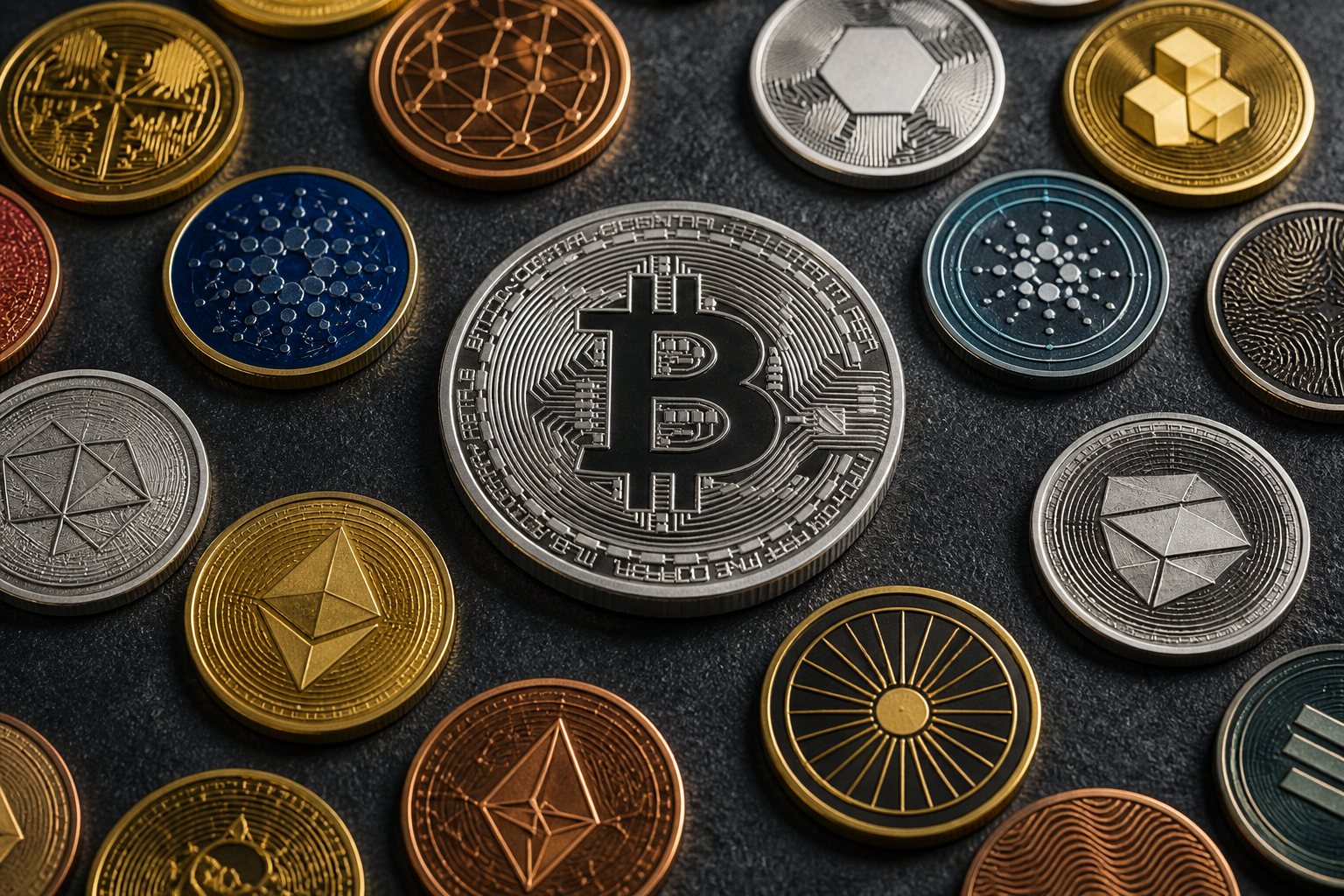
Altcoins vs Bitcoin is the first fork in the crypto road. Bitcoin is the most established crypto asset. Altcoins are everything else. Some have real networks. Many are marketing. Beginners who skip this distinction tend to learn it the expensive way.
Why Bitcoin is the default core
Liquidity, recognition and a longer public history make Bitcoin the usual first holding. It is still volatile. It is rarely the most chaotic name in a portfolio of 40 tokens.
What “altcoin” hides
The word covers ether, large competing smart-contract platforms, meme coins and projects with no revenue and no users. Lumping them together is how people confuse a research process with a lottery ticket.
Higher upside, higher failure rate
A small coin can multiply. It can also go to zero, halt withdrawals, or fade when attention moves on. If you cannot explain what the token does in two sentences, size it as entertainment money or skip it.
A sizing rule that survives FOMO
Keep Bitcoin (and perhaps one other major asset) as the crypto core. Cap the speculative bucket at a small percentage of investments. Do not add a new altcoin every week.
See crypto in context
A 10x on a tiny position does not offset a wrecked overall plan. Hold altcoin experiments next to a stock core and a metals sleeve so the account still looks like investing, not collecting stickers.